How to Germinate Cannabis Seeds
Welcome to the world of cannabis cultivation!
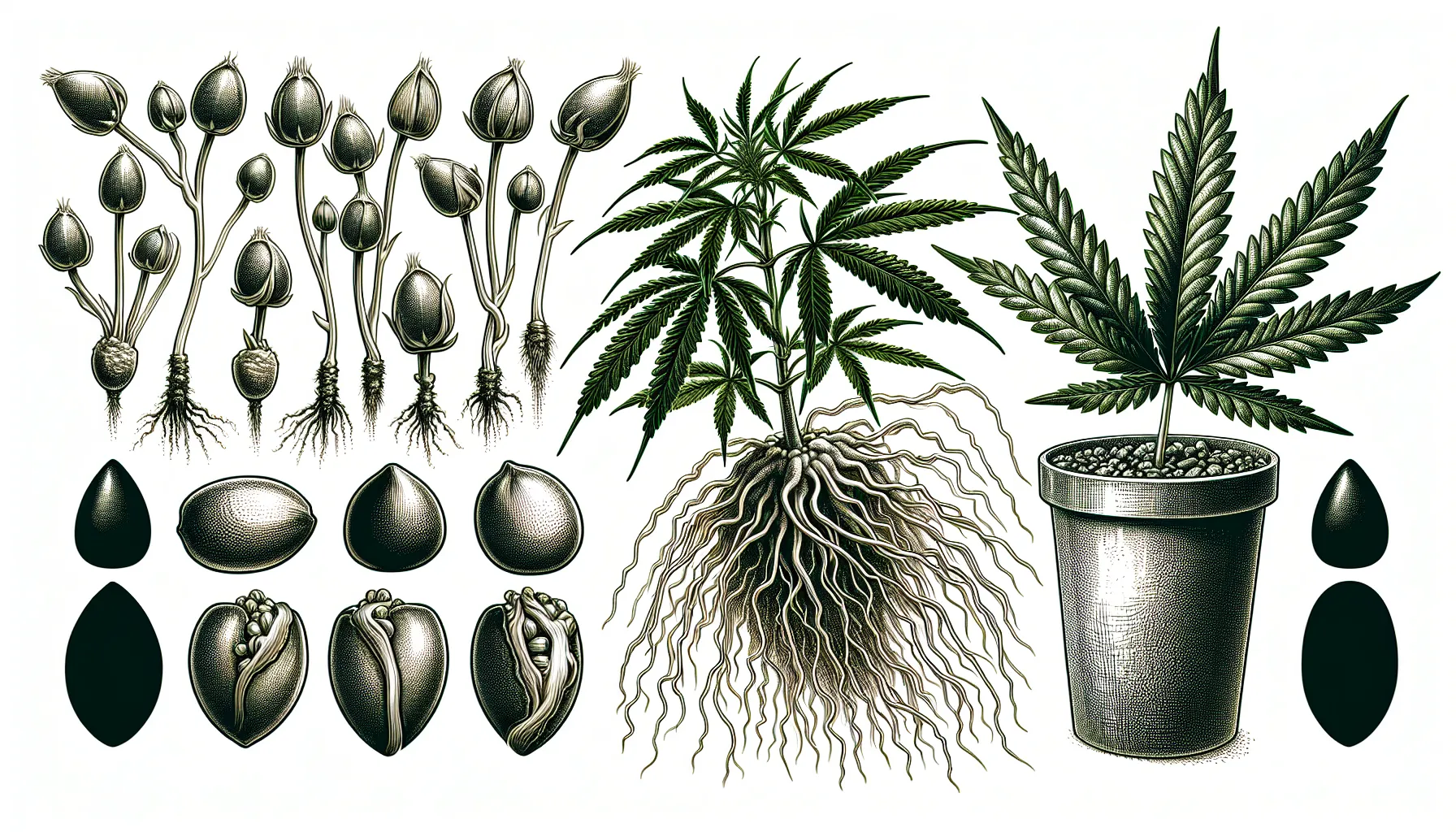
Germinating cannabis seeds is the crucial first step in growing your own plants. Whether you're a seasoned grower or a beginner, understanding the germination process is essential for a successful harvest. In this guide, we will explore the best methods for germinating cannabis seeds , from preparing the seeds to ensuring proper environmental conditions. By the end, you'll have the knowledge and confidence to kickstart your cannabis growing journey. Let's dive in and unlock the secrets of germination!.
Cannabis Seeds Overview
Germinating cannabis seeds is a crucial step in the cultivation process. Before beginning the germination process, it is important to adhere to certain golden rules for optimal results. Maintaining the appropriate temperature is vital, as it serves as a signal for the seeds to seek out moisture. There are various methods for germinating cannabis seeds , ranging from traditional techniques to using specialized starter kits. Additionally, there are alternative options such as using biodegradable planters. Starting with high-quality seeds is recommended for the best germination outcomes.
Germination Methods
There are several popular methods for germinating cannabis seeds . One common method is the kitchen towel method, which involves using kitchen towel or paper towels to provide moisture for the seeds. Another option is using RQS Soil Plugs, which are designed to help seedlings thrive. Additionally, the paper towel method and germination stations are also popular choices. Regardless of the method chosen, it's important to ensure that the seeds have adequate warmth, moisture, and air for proper germination.
Optimizing Germination Conditions for Cannabis Seeds
To optimize the conditions for germinating cannabis seeds , it is essential to provide the right environment for the seeds to sprout. This includes maintaining the ideal temperature and moisture levels. According to the information gathered, it is recommended to keep the seeds in a warm but not too sunny location, such as on top of a fridge, to encourage germination. Additionally, using specialized equipment like propagation trays, hygrometers, and grow lights can help create the ideal conditions for successful germination. It is also important to note that maintaining a constant temperature and moisture level is crucial for the germination process, and using a DIY climate-controlled cupboard or a warming mat can be beneficial in achieving this. By following these guidelines, growers can optimize the conditions for germinating cannabis seeds and improve the chances of successful sprouting.
Troubleshooting Germination
When troubleshooting germination, it's important to adhere to certain golden rules for the best results. One critical factor to consider is temperature, as seeds use it as a sign to seek out moisture. While germination typically proceeds smoothly, there are potential issues that may arise, which we can help address.
After Germination
After germination, it is important to monitor the seedlings closely. If unsure, wait for the first leaves to appear before taking action. Around two to three weeks after germination, the seedlings should be ready for transplantation into soil pots or hydroponic systems. Look for the root system poking out of the wool blocks as an indicator for transplant readiness. During the initial weeks, minimal interference is required, with minor adjustments to nutrients and lighting. For beginners, using a feminized starter kit can simplify the germination process. It's essential to ensure full contact between the seed and the germination medium for successful sprouting. Starting with high-quality seeds is recommended for optimal results. Some growers prefer using Jiffy Pots for germination. Overall, the early stages of seedling development require patience and minimal intervention, allowing the cannabis plant to take shape naturally.
Transplanting Seedlings
When transplanting marijuana seedlings, there are several methods to consider. One natural method involves planting the seeds directly in moistened soil or another medium, which helps the seedlings acclimate to their surroundings and reduces the risk of transplant shock. Another approach is to transfer the seedlings to a larger pot once they have grown a few inches and developed several sets of true leaves. Additionally, using stone wool blocks can simplify the transplanting process, as the seedlings can be easily transferred into soil or hydroponic systems once their roots begin to appear. Ultimately, the decision on when and how to transplant seedlings depends on the specific growing medium and the stage of the seedlings' development.
Conclusion
Germinating cannabis seeds is a crucial step in the cultivation process, and it sets the foundation for a successful and bountiful harvest. By following the proper techniques and providing the ideal conditions, growers can ensure the healthy development of their cannabis plants from the very beginning. Whether you're a novice or experienced cultivator, understanding the germination process is essential for achieving the desired results.
For more in-depth information on cannabis seeds, cultivation tips, and high-quality strains, visit [relevant_url_information]. Explore a wide variety of strains, expert advice, and unique options to enhance your cannabis cultivation journey.
Remember, responsible and legal use of cannabis products is important, and it's essential to adhere to local laws and regulations. Happy growing!.
Visit http://jgseeds.com for valuable insights and resources on cannabis cultivation.


Comments
Post a Comment